
From LinkedIn connections to QR codes and AirDropped contact cards, this is how modern professionals often connect. So it’s a fair question: does anyone still need a physical business card?
The short answer? Yes. Especially if you’re a startup founder.
Digital exchanges are fast, frictionless…and forgettable. A well-designed business card is the opposite. It’s tangible and intentional. And where everyone is competing for attention through the same screens, something you can hold has a surprising amount of power.
The Case for Physical in a Digital World
Think about the last networking event you attended. You probably swapped LinkedIn profiles with a dozen people. How many of those do you actually remember?
Now think about the last time someone handed you a card that stopped you mid-conversation. Maybe it was the weight of the stock. Maybe the design was striking. Maybe the typography said something about who they were before they even explained it.
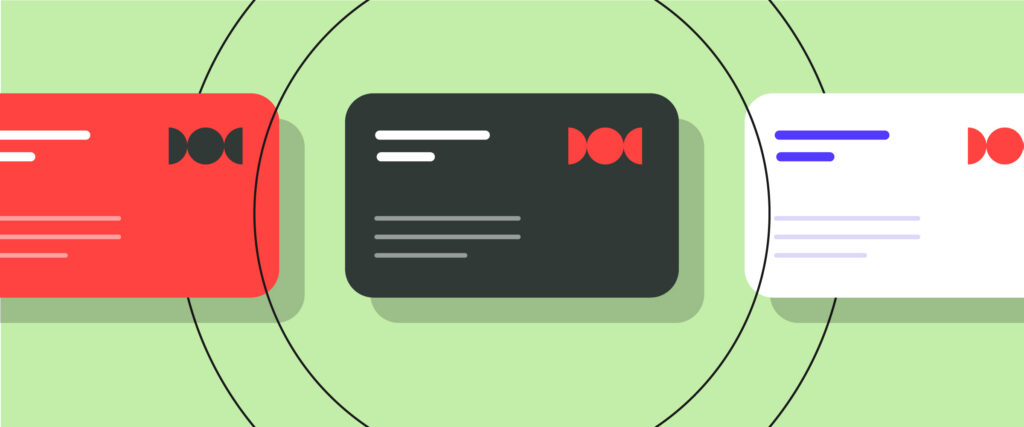
That’s the difference. A physical card creates a moment. A tactile pause that forces someone to look down, take in your brand, and form an impression. It’s sensory in a way that a push notification never will be.
And that moment matters more than most founders realize. Here’s why:
- It builds credibility when you have none yet. Early-stage companies are fighting an uphill battle for trust. A polished, intentional card tells people your brand has substance behind it.
- It sparks real conversation. An unexpected texture, a clever design detail, or a finish that catches the light all invite curiosity. And curiosity is the best door-opener in business.
- It keeps working after you leave the room. Your card sits on desks during decision-making moments. It gets passed to colleagues with a “you should talk to this person.” That kind of organic reach doesn’t come from a digital contact exchange.
It signals intentionality. In a sea of startups moving fast and breaking things, a founder who shows up with a considered, well-crafted card communicates something powerful: we pay attention to the details.
Why This Matters More for Startups
When you’re an established brand, people already have a mental image of who you are. When you’re a startup, you’re building that image from scratch, and every single touchpoint contributes to it.
Your business card might be someone’s very first physical interaction with your brand. And that interaction says more than you think. A flimsy card with a generic layout says: “We haven’t thought this through yet.” A card with quality stock, considered typography, and a design that reflects your personality has intention behind it. It says: “We know who we are.”
That distinction matters when you’re asking people to trust you before you have years of track record to lean on. Your card is a quiet confidence builder, working on your behalf before you even open your mouth.
What Separates Good from Forgettable
This is where founders can go wrong. If they think “standing out” in a digital world means going wild with their physical card (neon colors, oversized formats, cards made of metal or wood) they may get noticed, but novelty without strategy gets forgotten just as fast.
The cards that actually work start with the same foundation as any good design: clarity and intention.
Lead with your brand, not a template.
Your card should feel like a natural extension of your visual identity. If someone visits your website after receiving your card, the experience should feel seamless, not disconnected.
Respect the hierarchy.
What’s the most important piece of information? Your name? A URL? A QR code? Design should guide the eye to what matters most.
Choose materials with purpose.
Paper stock, finish, and printing techniques all communicate something. A soft-touch matte finish feels different from a glossy laminate, and that difference shapes perception. The material should match your brand’s personality, whether that’s bold and disruptive or refined and understated.
Edit ruthlessly.
The best business cards know what to leave off. You don’t need every social handle. Simplicity signals confidence.
You’re not beholden to legacy brand guidelines or corporate approval chains. You have the freedom to be bold, to be different, to let your card reflect the energy and ambition of what you’re building.
Think of your business card as a micro-expression of your entire brand. It travels where your website can’t and outlasts a LinkedIn notification.
Don’t Let Your First Impression be an Afterthought
When you’re in startup mode, everything can feel like a trade-off between time and money. Branding collateral can feel like something you’ll “get to eventually.” But a professionally designed card doesn’t have to break the bank. What it does need is strategic thinking, an understanding of your brand positioning, your audience, and the impression you want to leave behind.
That’s the kind of work we do at The Grove Creative. We help startups and growing companies build brands that feel intentional from day one, starting with the details that might seem small but make the biggest difference.