

I have 16-year-old twins, a boy and a girl, and there is hardly a day that goes by that I don’t hear “ugh, AI” coming from wherever they’re watching video content. It’s a reflexive response.
That two-word reaction has stuck with me. What I’m hearing isn’t just mild annoyance. It’s a verdict. And if that verdict is being delivered in living rooms across the country by teenagers who can’t consciously explain what tipped them off, brands leaning on AI-generated visuals have a much bigger problem than they realize.
There’s a design shortcut quietly eroding brand credibility across the internet, and younger audiences have already figured it out.
AI-generated images have become a staple in marketing content. Easy to produce, cheap to source, and endlessly flexible. For time-strapped marketing teams, the appeal is obvious. But the people you’re trying to reach can spot them. And when they do, it can feel dishonest.
Gen Z and Millennials Have Developed a Sixth Sense for AI Visuals
Younger audiences have grown up on the internet. They’ve watched it evolve in real time: from stock photo overload to filter culture to deepfakes to AI-generated everything. That upbringing has sharpened a kind of visual literacy that most brands are seriously underestimating.
The telltale signs are everywhere once you know what to look for: hands with too many fingers, backgrounds that look slightly dreamlike, lighting that doesn’t quite match the scene, faces that are almost too symmetrical. These aren’t obscure technical flaws that require a trained eye. Gen Z and Millennial consumers have catalogued them. They share examples on social media. They laugh about them in group chats. They’ve made a game out of catching it.
My twins aren’t design professionals. They couldn’t tell you what a kerning error is or explain the rule of thirds. But they can clock an AI image in seconds. Their reaction is contempt, and catching it makes them trust you less.

It Goes Deeper Than Aesthetics
Younger audiences don’t hate AI as a concept. Many use it themselves, but what bothers them is the intent behind it. When a brand uses AI-generated imagery, younger consumers often read it as a signal: this brand cut corners, didn’t invest in the real thing, and is putting on a facade rather than showing up honestly. Authenticity is the baseline expectation for this generation, and that perception is a serious liability.
Research backs this up. Studies have found that Gen Z consumers are significantly more likely to distrust brands that feel manufactured or inauthentic, and they’re quick to disengage when they sense they’re being sold a version of reality rather than reality itself. AI imagery has become one of the clearest triggers for that reaction.
They’re not wrong to feel that way. Design is a signal. What you put into the world visually communicates something about what you value and how much you respect your audience. A polished, intentional visual identity says: we thought about you. And an obvious AI shortcut says the opposite.
The Risk is Bigger for B2B Than You Might Think
This isn’t just a consumer brand problem. B2B marketing leaders should be paying close attention, too. The buyers and decision-makers at your target companies are getting younger. Millennials now represent a significant share of B2B purchasing decisions, and that share is growing every year. Gen Z is entering the workforce and moving up fast.
These are not audiences who are going to overlook a stock AI headshot or a suspiciously perfect product render. They’re going to notice. They’re going to form a judgment. And that judgment will shape their perspective.
In B2B, where trust is the foundation of every meaningful relationship, you can’t afford to chip away at it before the first conversation even happens.
The Smarter Play: Know Where AI Belongs in Your Workflow
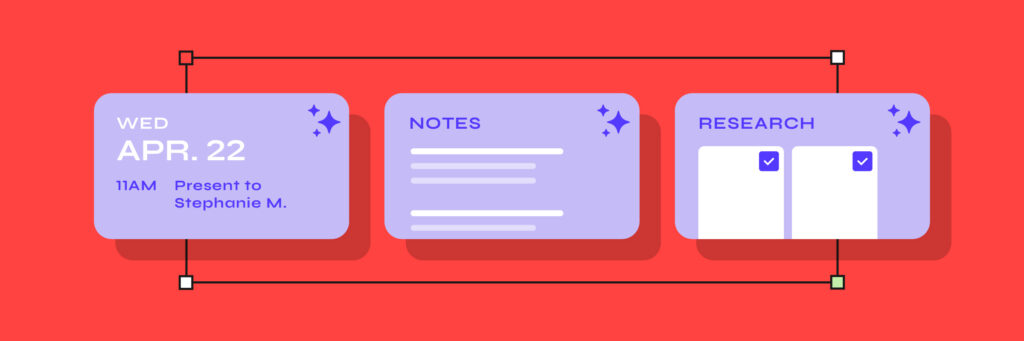
We use AI tools at The Grove Creative every day. Scheduling, meeting notes, research, drafting briefs, project management, improving the operational side of how we work — it’s genuinely useful for all of that, and we’re constantly exploring where else it can help us move faster and think more clearly.
But we ride shotgun on every piece of creative work. Every visual, every design decision, every asset that goes out the door with a client’s name on it. We understand what’s at stake when you get it wrong. We believe that creative work is where trust is made or lost, and that’s not somewhere you want to cut corners.
That’s the distinction most brands aren’t making clearly enough. AI as a productivity tool is a smart business decision. AI as a substitute for genuine creative investment is a different thing entirely, and your audience knows the difference better than you might expect.
The brands earning loyalty from younger audiences right now are the ones willing to show up with actual photography, intentional illustration, a visual presence that reflects who they actually are.
We’ve spent years helping marketing leaders build visual identities that hold up. Not just aesthetically, but strategically. The goal is to build trust over time with the people you’re actually trying to reach. As the audiences most attuned to visual authenticity gain more purchasing power, that work matters more than ever.
Your brand is a signal. Make sure it’s sending the right one.
Looking to build a visual identity that resonates with modern audiences? Let’s talk.