

Most teams already know that visuals affect SEO, and SEO affects visibility. But the real magic happens when design and SEO stop working in silos and start shaping a unified user experience. Effective design and SEO prioritize valuable user experience, recognized by search engines and appreciated by individuals, going beyond aesthetics and keyword saturation.
At The Grove, we’ve already covered the basics of how visual elements affect your site’s visibility in this post. Now, we’re raising the bar. Let’s talk about advanced strategies that take design and SEO from complementary functions to a fully integrated growth engine.

Design that Works for People and Crawlers
Think of your website as a house. The structure needs to make sense to visitors, but it also has to be easy for inspectors (in this case, search engine crawlers) to navigate. That means headings should flow in a way that matches both your brand story and your keyword strategy. Navigation should feel simple to a human and be legible to a crawler — text-based links usually outperform design-heavy menus when it comes to visibility.
And if you’re using dynamic, design-rich elements like animations or infinite scrolls, it’s not enough for them to “look cool.” You need to make sure they don’t accidentally hide your most valuable content from search engines.
Visual Hierarchy that Aligns with Intent
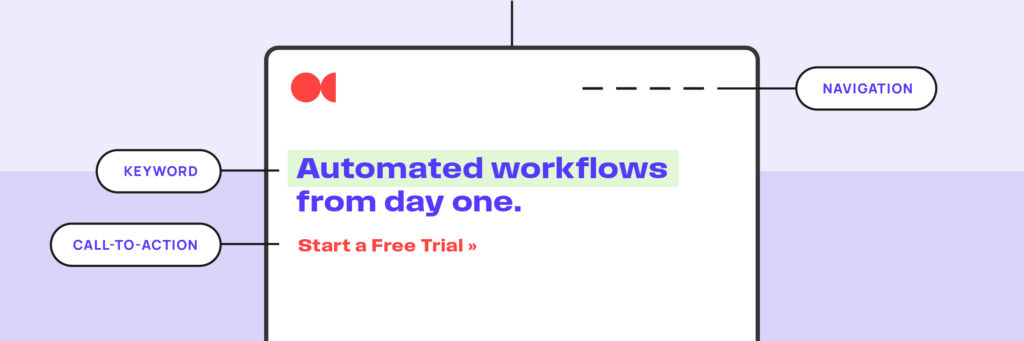
A beautiful site without SEO intent is just decoration. If you want your site to rank, the visual hierarchy should mirror the intent behind your keywords. For example, your above-the-fold space isn’t just a billboard — it’s prime real estate for your main keyword, your core message, and a clear next step for the user.
The same goes for content modules throughout the page. Accordions, cards, or tabs should still allow crawlers to see the substance behind the design. And don’t overlook accessibility. Features like alt text, color contrast, and legible typography not only improve user experience but also make your site more indexable.

Designing for Page Experience Signals
Google’s Core Web Vitals have turned performance into a design consideration. It’s no longer just the developer’s problem. Designers play a role in how fast content loads, how stable layouts feel, and how intuitive interactions are.
For example, if your hero image is oversized, it can delay the Largest Contentful Paint (LCP), dragging down both rankings and first impressions. If your design is overly complex, users may experience lag when trying to interact, known as First Input Delay (FID). And if your layout shifts around while the page loads, that’s Cumulative Layout Shift (CLS), which frustrates both people and algorithms.
Prioritizing these design elements goes beyond mere compliance. It’s about crafting an intuitive experience that captures user attention and earns higher rankings from Google.
Visual Content that does Double Duty
The best visual assets engage visitors, and also act as growth engines. An image optimized with descriptive file names, thoughtful alt text, and schema markup can rank in image search and bring new traffic to your site.
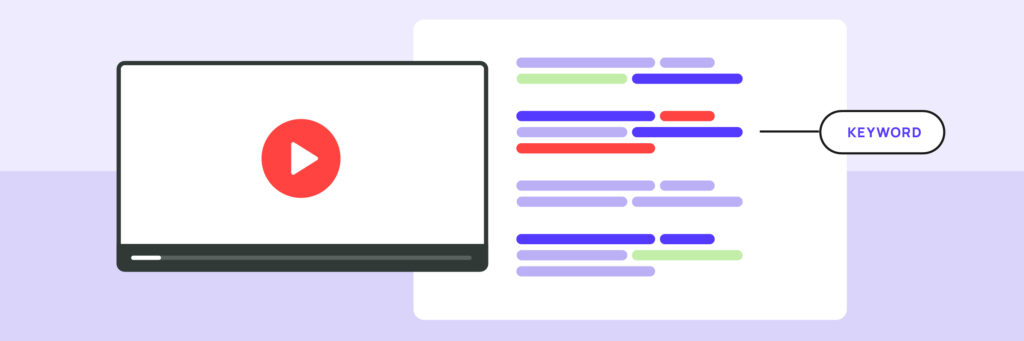
Video can do even more, especially when you design your pages to highlight it. Embedding a video with transcripts and structured data allows you to capture both visual engagement and keyword relevance. And content like infographics or carousels can double as shareable resources, earning backlinks that strengthen your domain authority.
Collaboration as a Growth Strategy
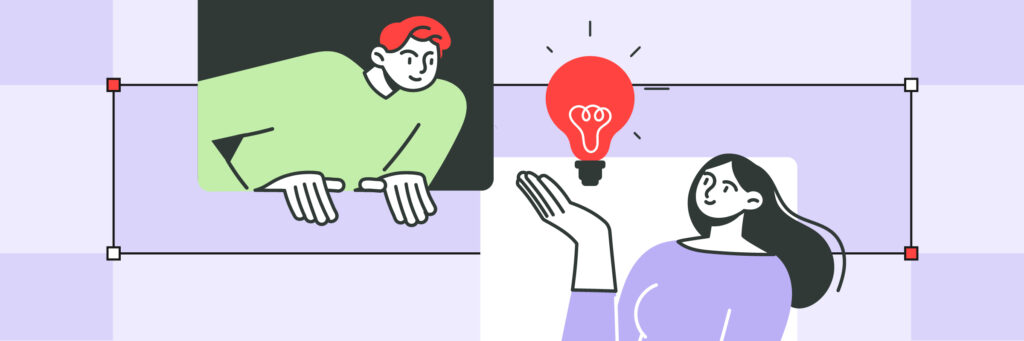
The highest-performing websites are created when design and SEO teams stop tossing work over the fence. Designers should build layouts that align with keyword maps, while SEO specialists should look to visual storytelling to bring data-driven insights to life. When both sides measure success through engagement metrics like time on page or conversion rates, design becomes inseparable from SEO.
In other words, the websites that win are the ones built by teams that see design and SEO as two halves of the same strategy, instead of separate steps in a process.
The Bottom Line: UX that Wins Search and Sales
Design is no longer just about aesthetics, and SEO isn’t only about keywords. Growth comes when both disciplines merge into a clear, fast, intentional, engaging, and unified experience. When your design prioritizes usability and performance, search engines notice. More importantly, your audience stays engaged.
Ready to design a website experience that doesn’t just look good but also ranks? Connect with us today to elevate your SEO and design into a unified growth strategy.